How much does branding cost in the UK?
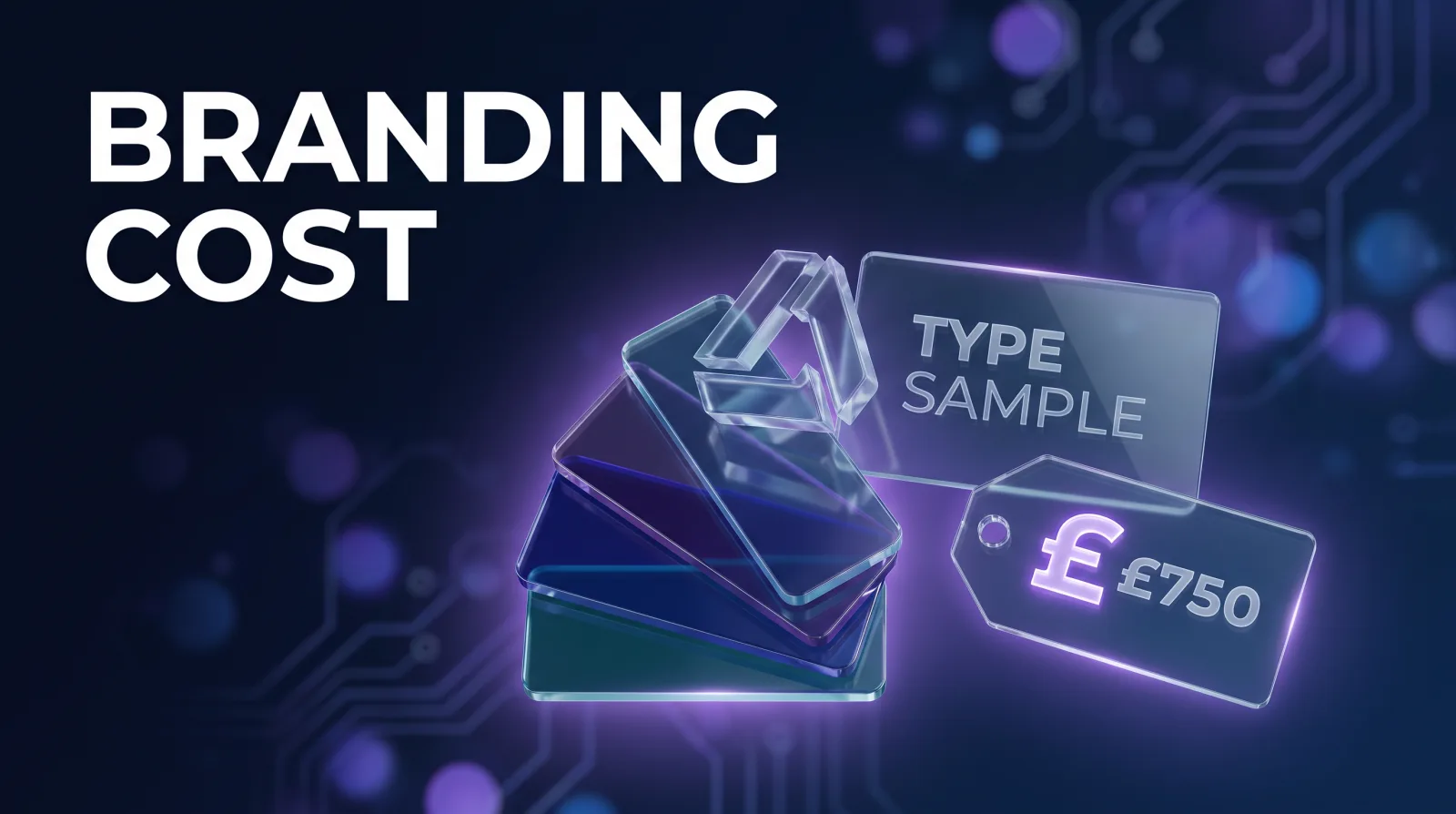
Branding covers a wide range, so prices do too. A standalone logo from a freelancer might cost a few hundred pounds, a full visual identity from a studio runs into the low thousands, and comprehensive brand strategy plus identity for an established or ambitious business can be several thousand or more.
The spread reflects what you are actually buying. A logo is one asset; a brand is a whole system, positioning, personality, visual identity, messaging and guidelines, that shapes how customers perceive you everywhere. Being clear about which you need is the first step to a sensible budget. Our guide on what a branding agency does explains the difference in detail.
What is included at each price level?
Roughly speaking, budgets buy the following:
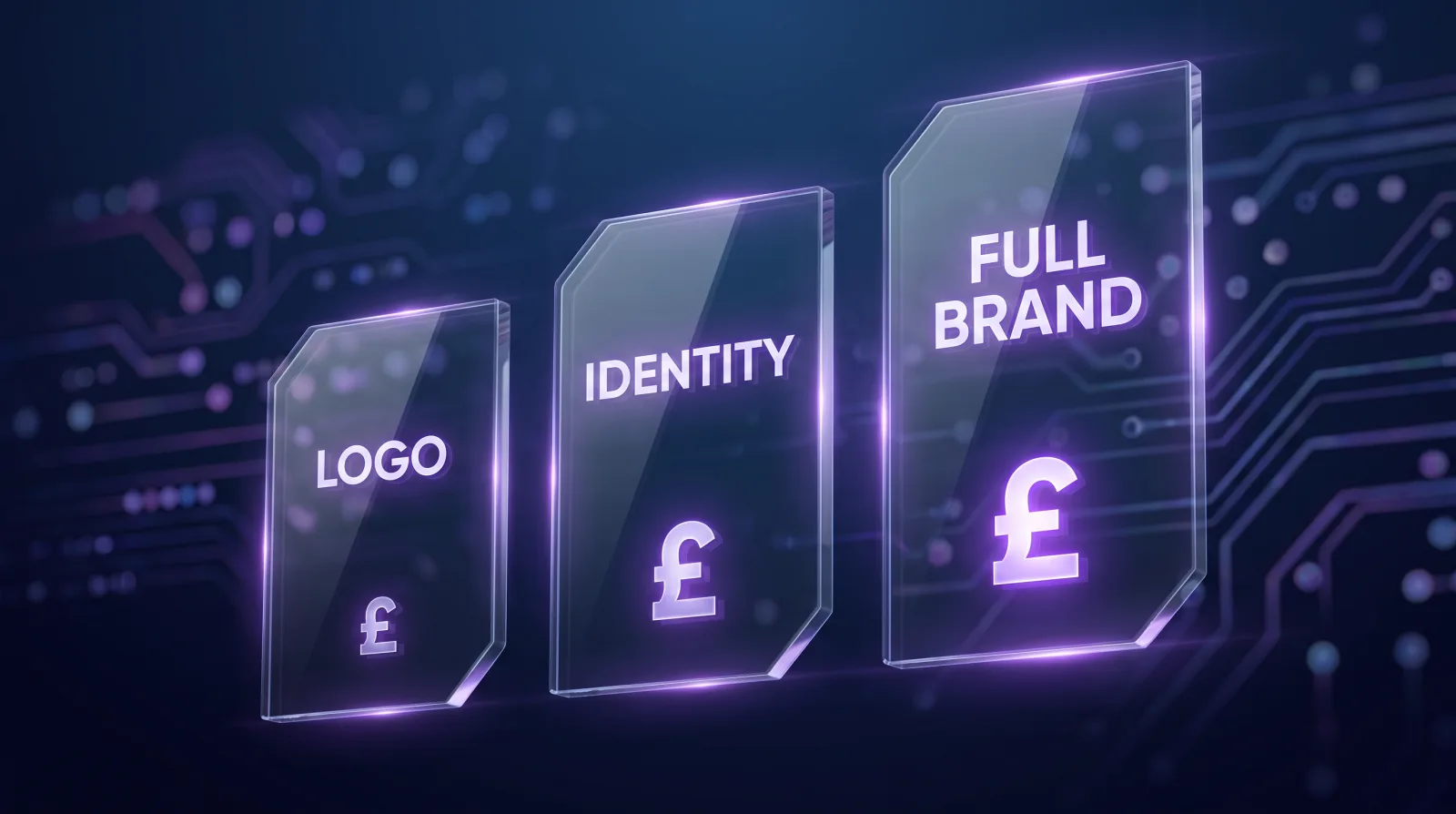
- Logo only: a mark and basic file formats, suited to very early-stage businesses
- Visual identity: logo, colour palette, typography, basic guidelines and key assets
- Full brand: strategy and positioning, complete identity, messaging and tone, and detailed guidelines
- Brand plus rollout: the above applied across website, marketing and collateral
The more strategic thinking and application involved, the higher the fee, and usually the greater the long-term value. A cheap logo with no strategy behind it often needs redoing within a year or two, which costs more than doing it properly once.
What drives the cost of a branding project?
Several factors move the price: the scope (logo versus full brand), the experience of the studio, the amount of research and strategy involved, the number of deliverables, and how widely the brand needs to be rolled out.
Complexity matters too. A single-product startup needs less than a multi-service business or one entering a competitive market. Rebrands can also cost more than starting fresh, because they involve auditing the existing brand and managing the transition carefully. As with most creative work, you are paying for judgement and process as much as final files, which is why cheap and expensive quotes can look similar on paper but differ hugely in outcome.
Is professional branding worth the investment?
For most businesses that intend to grow, yes. Strong branding makes you look credible, helps you stand out, supports premium pricing and makes all your other marketing work harder, since consistent, memorable branding improves recall and trust.
Weak or inconsistent branding does the opposite: it makes a good business look amateur and forces you to compete on price. The honest exception is the very earliest stage, where a simple, tidy logo may be enough until you have proven the model. Once you are investing in marketing and chasing growth, professional branding usually pays for itself by lifting the return on everything else.

How do you brief a branding project well?
A good brief saves money and gets a better result. Be clear about your business, your audience, your competitors and what you want the brand to achieve. Share examples of brands you admire and why, and be honest about your budget so the studio can scope realistically.
Agree deliverables, timelines and the number of revision rounds upfront to avoid scope creep. And think beyond the logo: consider how the brand will appear on your website, social media and marketing, since a brand that only exists as a logo is half-built. Our guide on building a strong brand covers what makes branding actually stick.
Should branding and website be done together?
Often, yes. Your website is usually where the brand does most of its work, so designing them together produces a more coherent result and can be more cost-effective than treating them as separate projects. A brand created in isolation sometimes translates poorly to the web, leading to compromises or extra cost later.
If budget is tight, at least make sure whoever builds your site has the full brand guidelines to work from. Many businesses find it efficient to run branding and website development as one joined-up project, so the identity and the place customers experience it are built to fit from the start.