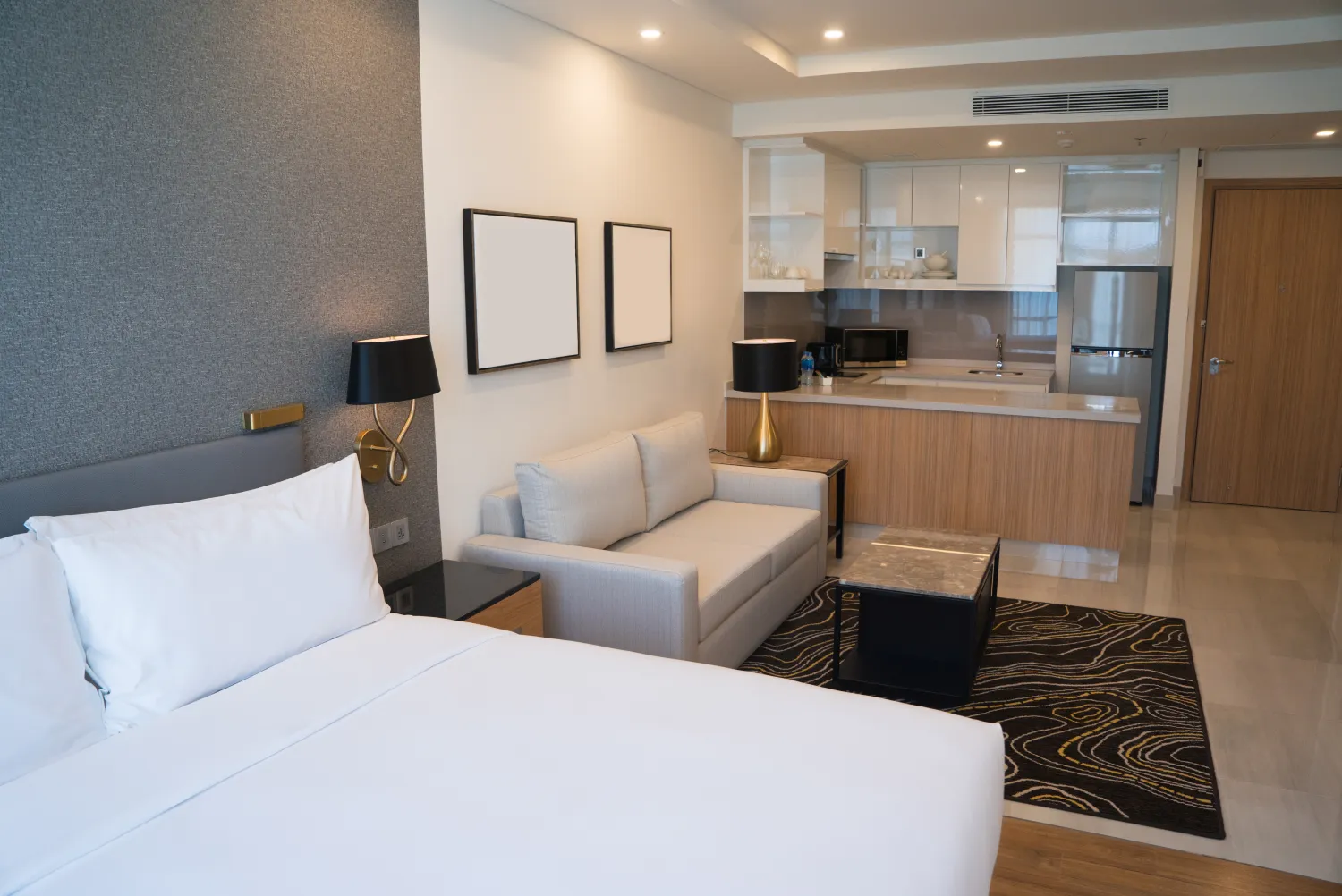

What is the Biggest Opportunity in Hotel Marketing?
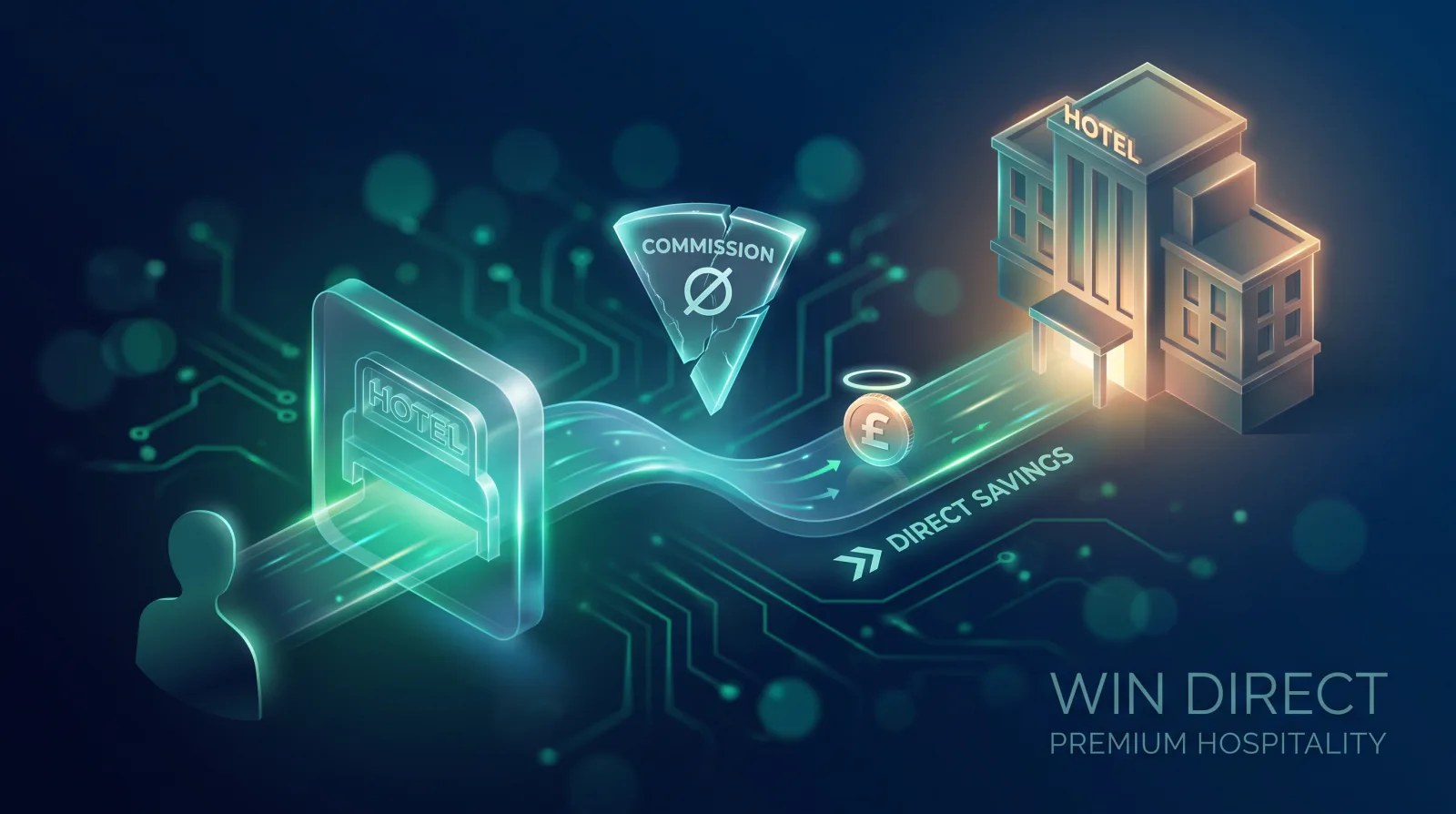
The biggest opportunity in hotel marketing is winning more direct bookings. Online travel agents (OTAs) like Booking.com and Expedia bring volume, but they take 15 to 25 percent commission on every booking, a huge drain on profit. Every booking you win directly instead is money kept.
The good news: most guests research on Google, your website, reviews and photos before booking, even when they eventually book through an OTA. That research moment is your chance to capture the booking directly. Strong digital marketing makes your hotel easy to find, irresistible to look at, and effortless to book direct.
This guide covers how hotels use local SEO, their Google Business Profile, a booking-focused website, reviews and paid channels to fill rooms while reducing OTA dependence. Local visibility is central, which is why local SEO matters so much. For the wider picture, see how to get found online.
Why is Local SEO and Google Business Profile Critical for Hotels?
Travellers constantly search "hotels in [city]", "[area] hotels near me" and "hotels near [attraction]", and Google increasingly answers these directly, with maps, profiles, photos, reviews and even booking options, before anyone reaches an OTA. Being visible and compelling there is critical.
Your Google Business Profile is central: it is often a guest's first impression and can drive direct bookings. Optimise it fully:
- Complete, accurate details, amenities and categories.
- Lots of high-quality photos of rooms, facilities and surroundings.
- A direct booking link and current information.
- Regular posts on offers and events.
- A steady flow of managed reviews.
Google's own hotel and travel features mean a strong profile can capture bookings that would otherwise go to OTAs. Combined with local SEO (consistent details, local relevance, reviews), it puts your hotel in front of travellers at the decision point. Our Google Business Profile guide covers every setting.
What Should a Hotel Website Do?
A hotel's website is where direct bookings are won or lost, and many hotels leave money on the table with weak sites. A booking-focused hotel website should:
- Make booking effortless — a fast, obvious, mobile-friendly booking engine, ideally beating the OTA price.
- Look stunning — high-quality photography and video of rooms, facilities and location; visuals sell rooms.
- Load fast on mobile — most travel research is on phones.
- Show the experience — the area, attractions, dining and what makes a stay special.
- Build trust — reviews, ratings and clear policies.
- Give a reason to book direct — best-rate guarantee, perks, flexible terms.
The key is removing every reason to drift to an OTA: match or beat the price, add a perk, and make direct booking the easiest option. A great site with a smooth booking engine directly lifts your commission-free revenue. See what makes a great business website for the conversion fundamentals, and CRO for optimising the booking journey.
How Important Are Reviews for Hotels?
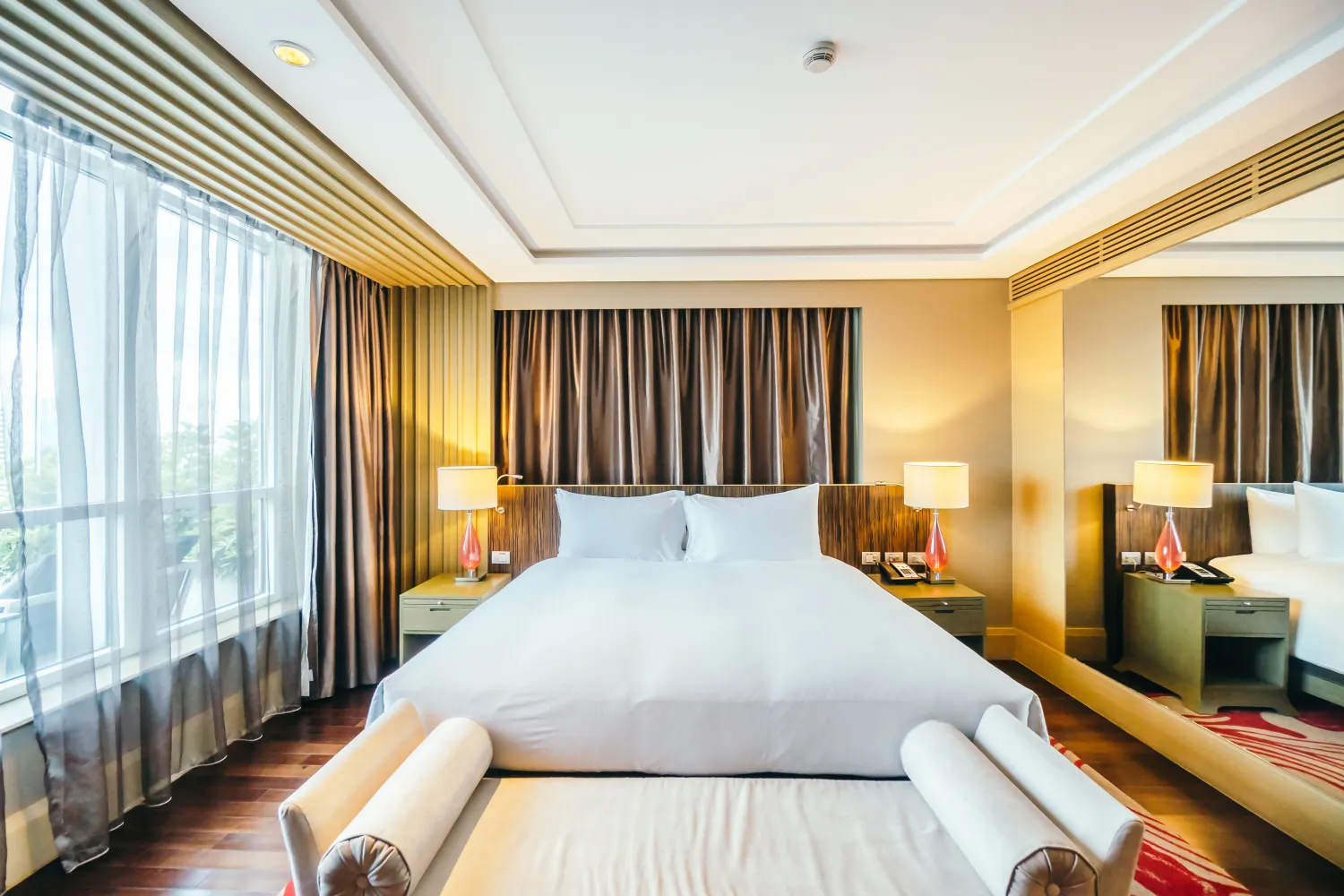
Reviews are arguably more important in hospitality than almost any other sector. Travellers rely heavily on ratings and recent reviews across Google, TripAdvisor and OTAs before booking, and your review profile directly affects both rankings and bookings.
Strong review management means:
- Actively encouraging reviews from happy guests, on Google especially (it influences local ranking and the booking decision).
- Responding to every review, positive and negative, professionally and personally, which reassures future guests.
- Monitoring across platforms, since travellers check several.
- Acting on feedback to improve the actual experience.
A hotel with a high rating and lots of recent, well-handled reviews will win bookings over a similar hotel with a weaker profile, every time. Reviews are both a ranking factor and the final push that converts a researcher into a booker. Given how decisive they are, a proactive review strategy is one of the highest-return investments a hotel can make. Our guide on getting more Google reviews gives you a system.
Should Hotels Use Paid Ads and Social Media?
Alongside the organic foundations, paid and social channels help hotels fill rooms, especially in quieter periods:
- Google Ads — capture high-intent "hotels in [city]" searches and compete for direct bookings; useful to fill gaps and defend your brand name against OTAs bidding on it.
- Metasearch (Google Hotel Ads, Trivago) — put your direct rate alongside OTAs at the moment of comparison.
- Social media (Instagram, Facebook, TikTok) — hospitality is highly visual; stunning content builds desire, reaches travellers and drives discovery (see Instagram Ads and our social media guide).
- Retargeting — remind people who viewed your site but did not book (a huge segment in travel).
Retargeting is particularly valuable in hospitality because travellers browse extensively before booking. A guest who visited your site and then sees a well-timed ad (perhaps with an offer) often returns to book direct. Used together with strong local SEO and a great website, paid and social help you capture demand and reduce OTA reliance. If you would like a plan to grow direct bookings, book a free audit.